
We thought we were building a website. We ended up building a system.
When Kush and I started talking about the Chicago Maaco locations, the website was obviously part of the conversation. But pretty quickly, the project became much bigger than that.
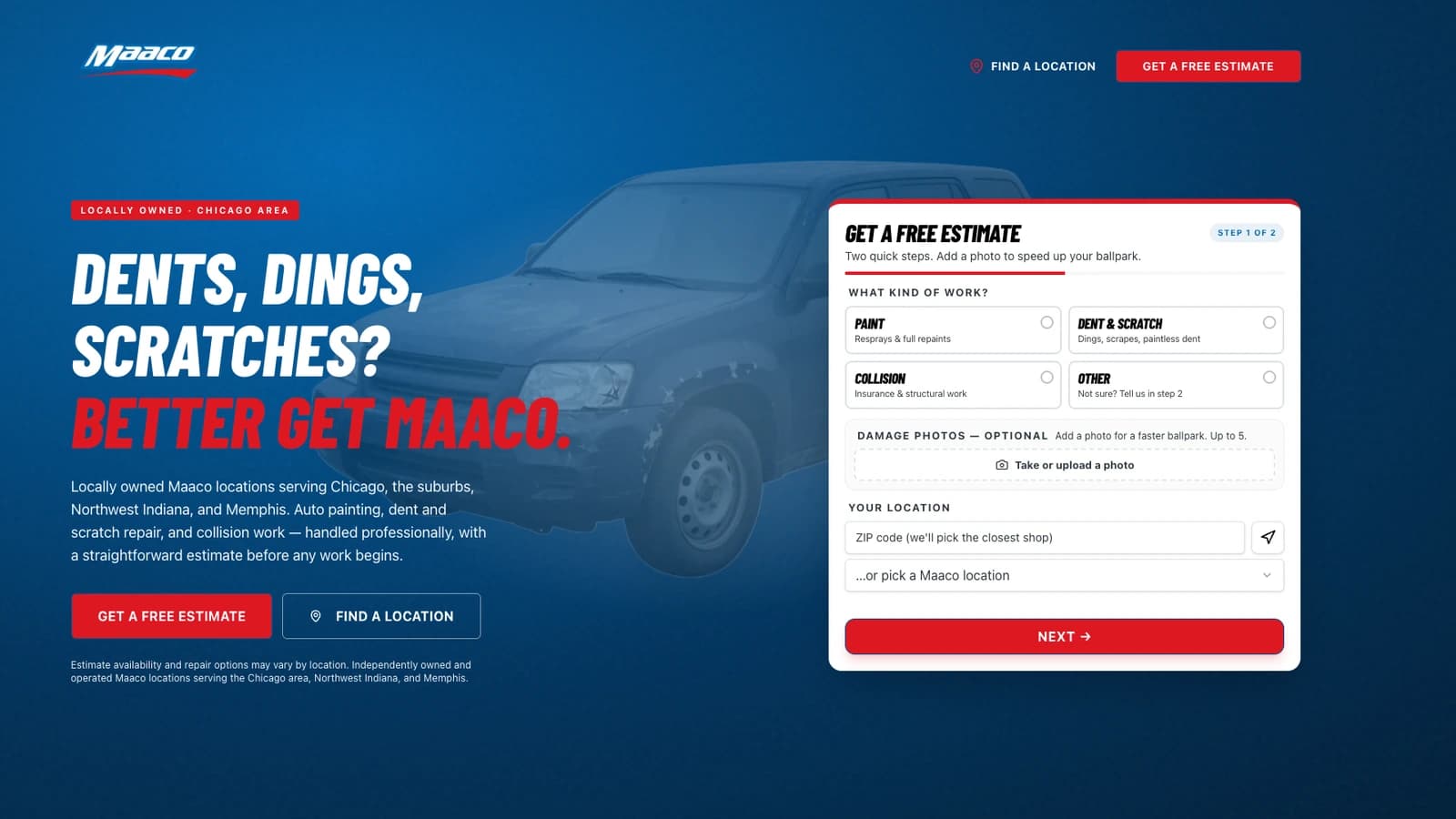
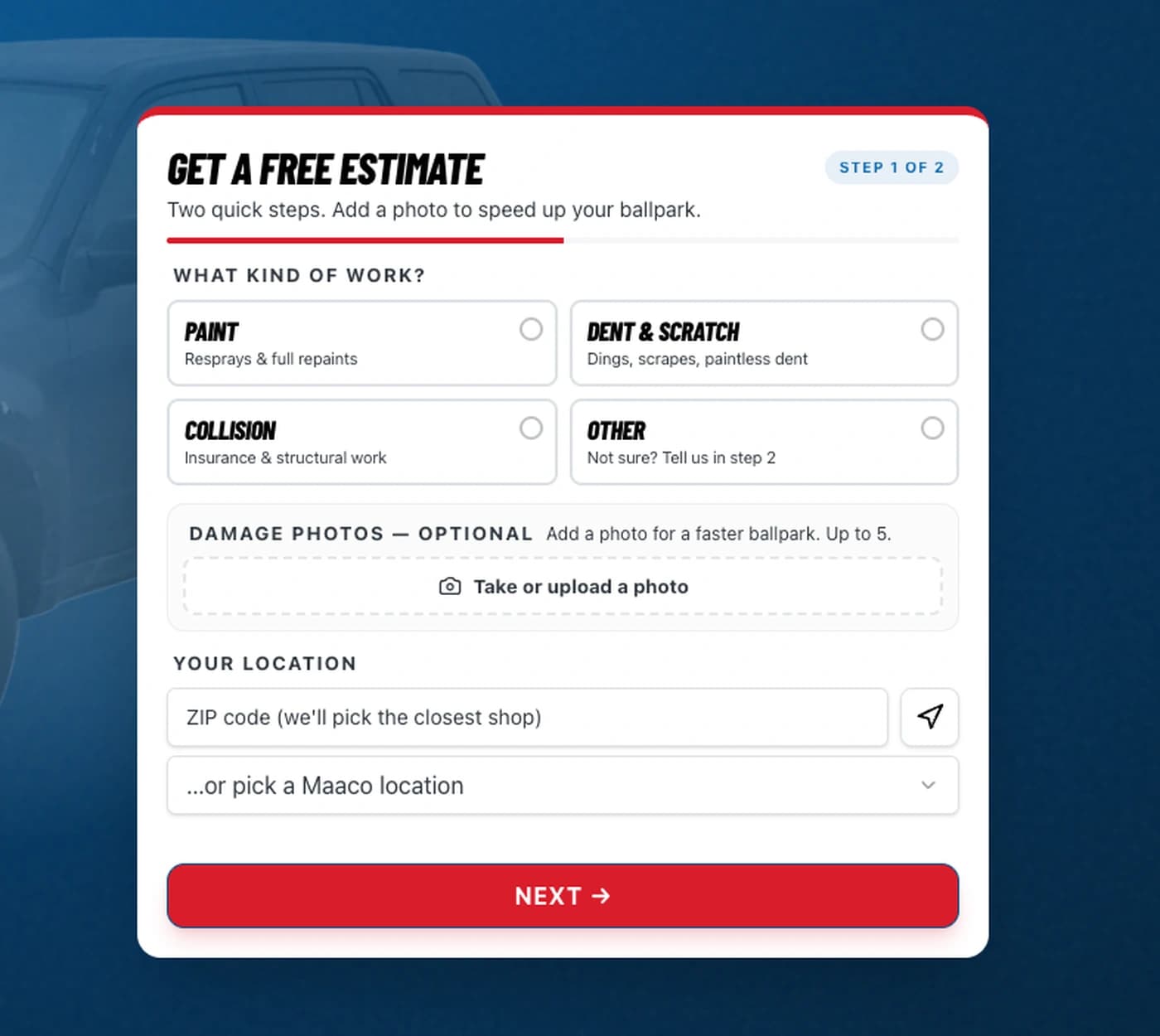
We were building the front end, a custom CRM and management system, automated lead workflows, location specific experiences and the infrastructure to connect the marketing around all of it.
And we built it in under two weeks.
The speed was impressive, but that wasn’t the interesting part to me. The interesting part was what the newer development tools allowed us to focus on once the mechanics of building became faster.
Kush was involved throughout the entire build, and it became a genuine collaboration. He loved digging into the technology, figuring out what we could automate, how information could move through the system and what we could build that simply would not have been practical a few years ago.
I loved that side of it too, but I kept coming back to a different question.
Because we could build almost anything. The more useful question was what we actually should build.
That applied to the front end first. Multiple Chicago area locations meant the website needed to help someone quickly understand where to go, which location was relevant to them and how to take the next step without navigating through a maze of pages.
But the bigger opportunity was happening behind the website.
We started building a custom CRM and management system designed around the way the locations actually handle leads. Instead of simply collecting another form submission and dropping it into an inbox, we could organize the lead, track where it came from, create workflows around follow up and automate pieces of the process that previously required someone to remember what needed to happen next.
That changed the project completely. We weren’t just thinking about page layouts anymore. We were thinking about how a lead moved through the business, what happened after someone requested an estimate, who needed to see it, what information they needed, what could happen automatically, and where people were spending time on repetitive work that software could handle instead.
We also had to make sure we weren’t building some giant piece of software nobody wanted to use. Technology can save an enormous amount of time, but only if it fits naturally into the way the business operates. The CRM needed to feel like part of the business, not another system sitting beside it.
At the same time, the front end still had to do its job. The customer does not care how sophisticated the backend is. They care whether they can find the right location, understand the service, trust the company and figure out what to do next.
That balance became one of my favorite parts of working with Kush on the project. He would see another possibility in the technology, and I would usually ask what that possibility looked like from the other side of the screen. Both questions made the build better.
From there, we started connecting the larger marketing ecosystem around it. Paid advertising could send traffic into purpose built landing experiences. Individual locations could build stronger local search visibility. Billboard campaigns could be evaluated around geography, traffic and proximity to each shop. Tracking could tell us which sources were actually producing leads, and now those leads had somewhere useful to go once they arrived.
The website, CRM and marketing were no longer separate pieces. They were starting to work together as one system.
A project with this many moving pieces would have looked very different even a few years ago. Modern development tools and AI assisted coding changed how quickly we could prototype, test and adjust, but the bigger benefit was where we could spend our time instead: customer experience, lead flow, business workflow and the parts of the operation that no longer needed to stay manual.
That has become one of the biggest shifts in how I think about website development at RK. Sometimes a business needs a better website. Sometimes it needs better systems behind the website.
Related stories + insights
Building a Campaign Around the Customer’s Real Priority
Marketing works better when it starts with what the customer is actually trying to accomplish, not with the channel. The customer’s goal shapes the audience, message, website and the measurements to focus on.
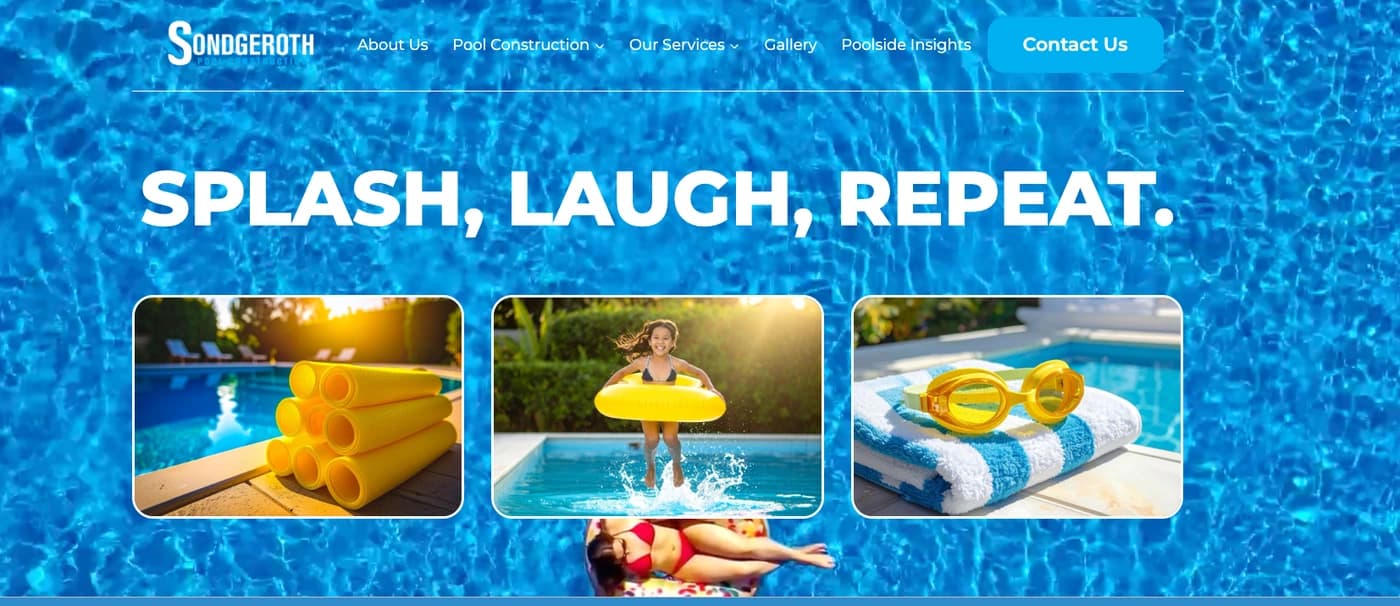
Sometimes the best business relationships start with a broken pool.
RK helped Sondgeroth Pools rebuild their website, sharpen their brand, and generate more qualified leads, turning a seasonal business into a steadier stream of opportunity.
How Fast Follow Up Changes Paid Lead Performance
Paid lead performance depends on more than the ads. How quickly a business responds, how leads are routed and how consistent the follow up process is often decide whether good leads become customers.

Ready to improve your marketing?
Let's find out what's working, and what's getting in the way.
The RK Marketing Checkup gives you a clearer view of your website, search visibility, paid campaigns, social presence, and overall marketing system.