

Marketing Insight
How Fast Follow Up Changes Paid Lead Performance
Paid lead performance depends on more than the ads. How quickly a business responds, how leads are routed and how consistent the follow up process is often decide whether good leads become customers.
A business can spend a lot of time trying to improve an ad campaign and completely miss one of the biggest variables affecting the result.
How quickly someone responds.
When a person submits a form, requests an estimate or calls after seeing an ad, their interest is usually highest right then. They are thinking about the problem, comparing options and deciding who to trust.
If the response takes hours, or worse, days, the campaign may end up looking weaker than it really is.
That distinction is important.
Google Ads, Meta campaigns, SEO and other channels can generate leads, but none of those platforms control what happens after the lead arrives. If the business responds slowly, misses calls or does not have a consistent follow up process, good marketing can get blamed for a sales process problem.
I see this most often when a company focuses heavily on cost per lead.
Cost per lead is useful, but it only tells part of the story.
A $40 lead that gets contacted immediately and turns into a profitable job is much more valuable than a $20 lead that sits untouched for two days.
The cheaper lead did not actually save anything.
That is why I like looking beyond campaign metrics and into the lead process itself. Where did the lead come from? How quickly did someone respond? Was contact made? Was the lead qualified? Did it turn into an estimate, appointment or sale?
Those answers help separate a marketing problem from an operational one.
Sometimes the campaign does not need more optimization. The follow up process does.
Speed also affects the customer experience.
Someone looking for a contractor, repair shop or professional service is rarely contacting only one business. They may be filling out multiple forms or making several calls within a short period of time.
The first business to respond does not automatically win, but it gets the first real chance to build trust, answer questions and move the conversation forward.
That advantage can be significant.
This is also where automation can help.
An instant confirmation email or text does not replace a real conversation, but it can reassure the customer that the request was received and explain what happens next. CRM workflows can help route leads, assign follow up tasks and reduce the chance that an inquiry disappears into someone’s inbox.
For businesses running paid media, this can completely change how performance is evaluated. If lead volume is strong but close rates are weak, the answer may not be “spend more” or “change the ads.”
The better question might be:
What happens in the first few minutes after the lead comes in?
Marketing and sales performance are connected much more closely than most dashboards make them look.
If a business wants better results from paid leads, improving the ads is only one place to look.
Sometimes the fastest improvement happens after the click.
Related stories + insights
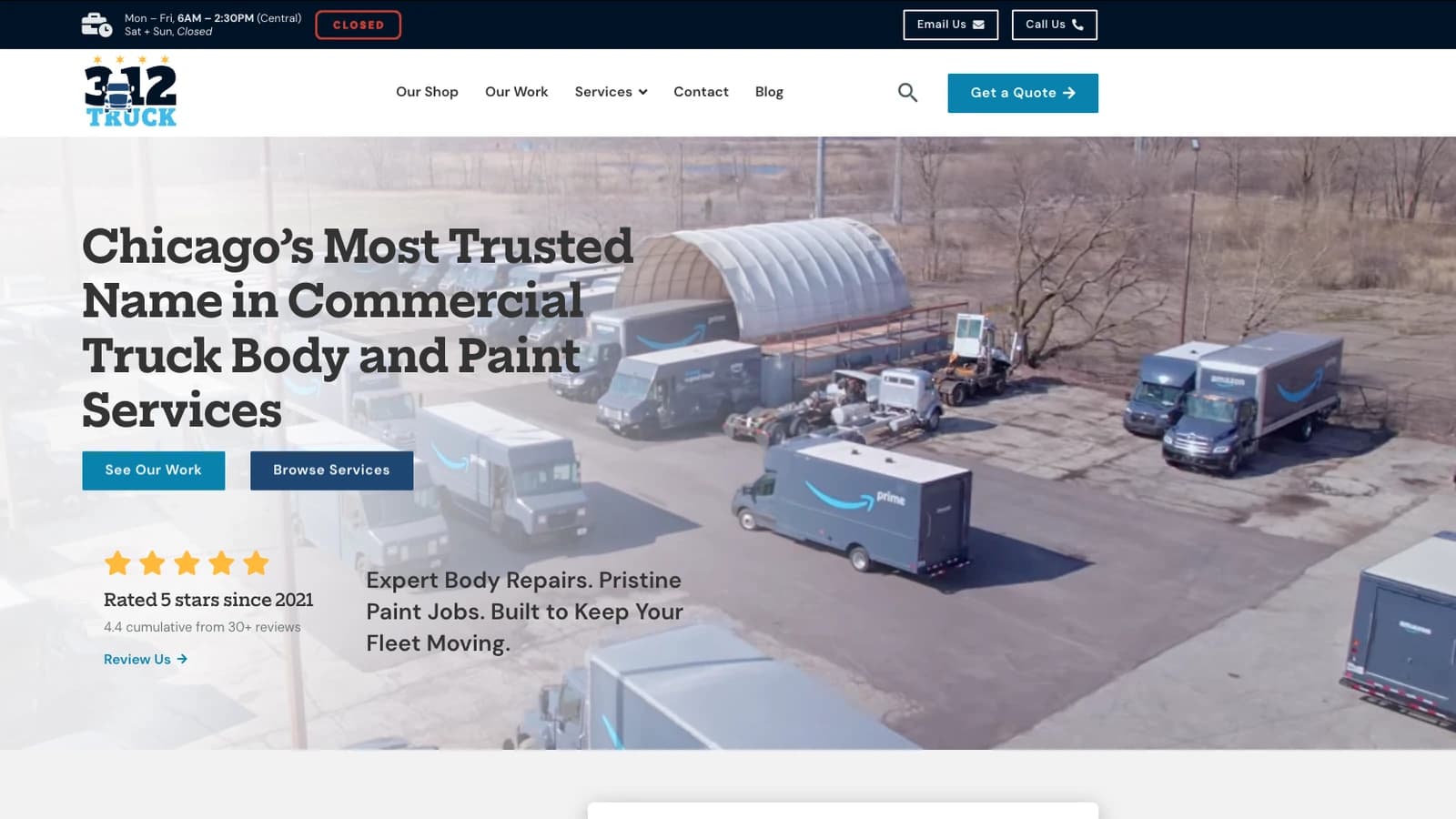
312 Truck
Better marketing did not require a bigger budget.
Building a Campaign Around the Customer’s Real Priority
Marketing works better when it starts with what the customer is actually trying to accomplish, not with the channel. The customer’s goal shapes the audience, message, website and the measurements to focus on.
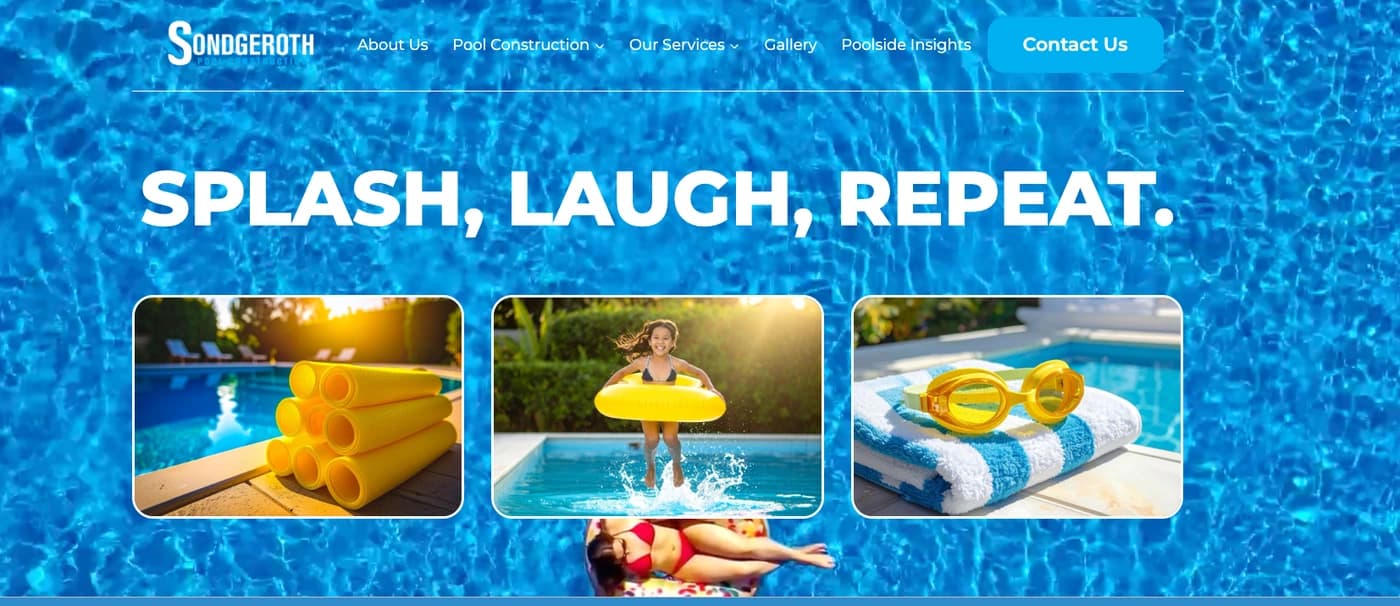
Sometimes the best business relationships start with a broken pool.
RK helped Sondgeroth Pools rebuild their website, sharpen their brand, and generate more qualified leads, turning a seasonal business into a steadier stream of opportunity.

Ready to improve your marketing?
Let's find out what's working, and what's getting in the way.
The RK Marketing Checkup gives you a clearer view of your website, search visibility, paid campaigns, social presence, and overall marketing system.