Marketing Insight
What Makes a Website Page Convert?
A website page has to help the right person find the business and give them the confidence to take the next step. Clear language, honest trust signals, a simple structure and an obvious next step do more than clever copy.
A website page has two jobs. It needs to help the right person find the business, and then it needs to make that person feel confident enough to take the next step.
A lot of website pages do the first part reasonably well and fall apart on the second. They rank for the right phrase, get some traffic, and then greet the visitor with vague copy, stock photos, and a button that says “Learn More.”
That is usually not enough.
A good website page should make the visitor feel like they have landed in the right place.
If someone searches for commercial truck painting, stamped concrete patios, pool installation, or furniture near them, the page should quickly confirm that the business actually provides that service. Clear language usually works better than clever language here.
From there, the page needs to answer the questions someone is naturally going to have. What does the service include? Who is it for? What problems does it solve? Where is it available? What should the customer expect? Why should they trust this company with the work?
That information helps people make a decision, and it also gives search engines and answer engines better context about the business.
Trust is a big part of conversion too. Real project photos, testimonials, examples of completed work, experience, credentials, and even simple details about the process can reduce uncertainty. The goal is not to bury the visitor in proof. It is to give them enough confidence to keep moving.
The page also needs a clear next step.
That might be calling the business, requesting an estimate, booking an appointment, visiting a showroom, or submitting a form. The right call to action depends on how customers actually buy the service, but the visitor should never have to hunt for it.
This is where design and messaging have to work together. A page can look great and still convert poorly if the structure is confusing. It can also be packed with useful information and still fail if the layout makes everything hard to scan.
The strongest pages usually feel simple because the hard work happened before the page was built. The business knows who the customer is, what they need, what questions they are likely to ask, and what action should happen next.
That clarity also helps with SEO and AEO. Search systems can do a better job understanding a page when the service, audience, location, and purpose are clearly explained. People benefit from the exact same thing.
Related stories + insights
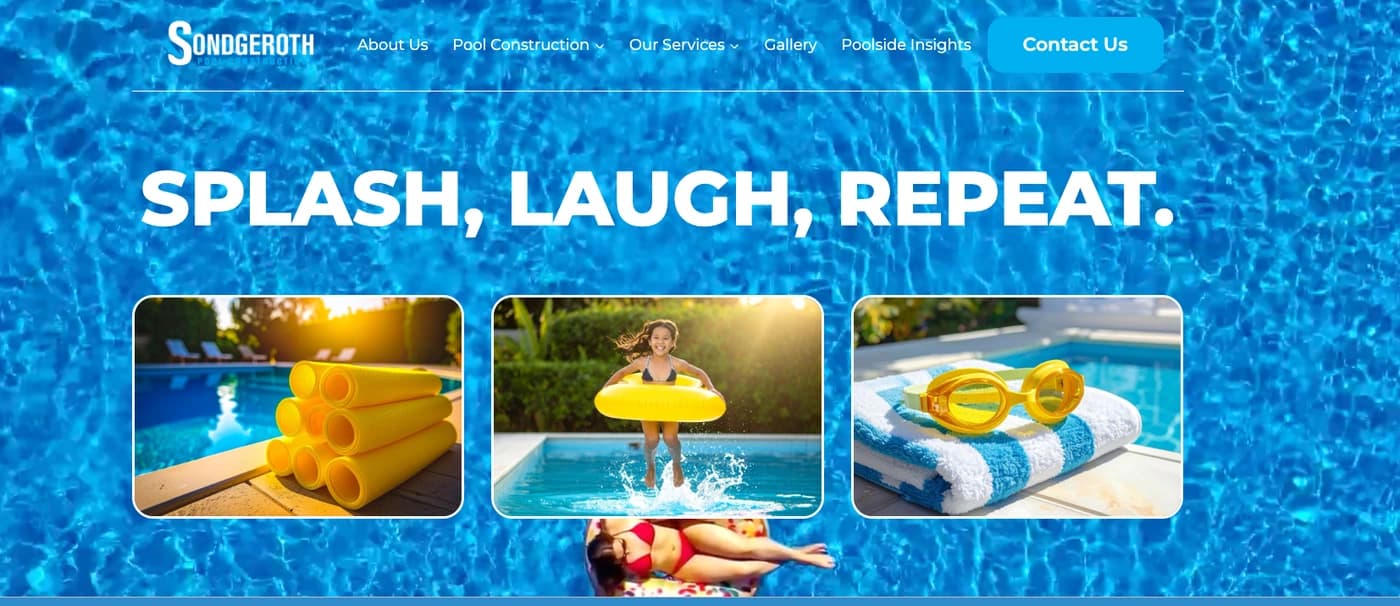
Sometimes the best business relationships start with a broken pool.
RK helped Sondgeroth Pools rebuild their website, sharpen their brand, and generate more qualified leads, turning a seasonal business into a steadier stream of opportunity.
RK Digital Transformation Earns OpenAI Select Partner Status
RK Digital Transformation has earned OpenAI Select Partner status, strengthening its ability to help clients plan, implement, and support practical AI solutions alongside websites, search, and advertising.
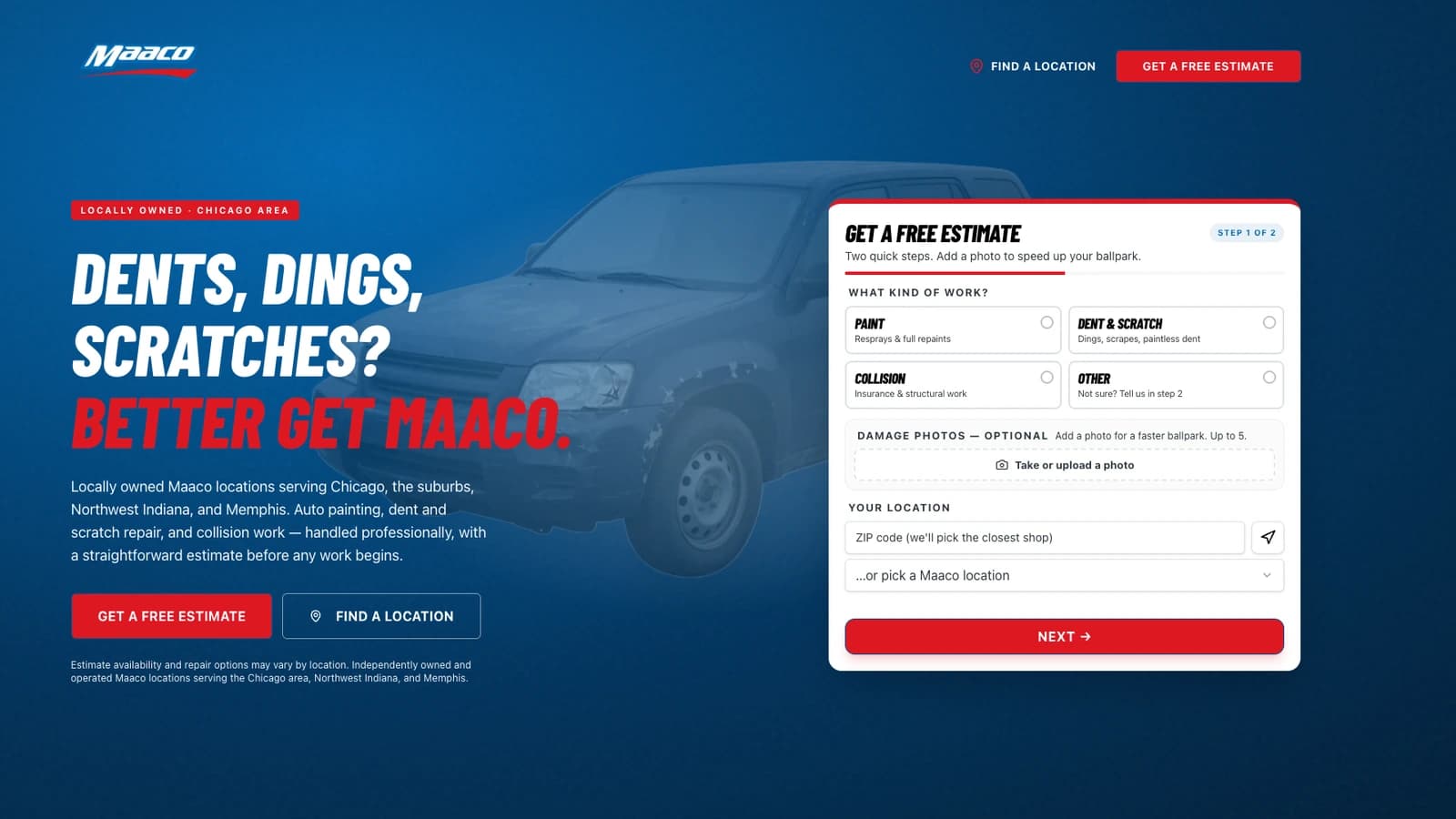
Maaco Chicago
We thought we were building a website. We ended up building a system.

Ready to improve your marketing?
Let's find out what's working, and what's getting in the way.
The RK Marketing Checkup gives you a clearer view of your website, search visibility, paid campaigns, social presence, and overall marketing system.